
Affiliate entrepreneurship is a performance-based business model where you earn commissions by promoting other companies' products through unique tracking links, without owning inventory or handling customer service. The industry is a growing multibillion-dollar space with increasing marketer budgets in 2026. That growth signals real opportunity for anyone willing to build an audience and create content with purpose. Three players drive every transaction: the affiliate entrepreneur (you), the merchant selling the product, and the customer making the purchase. Programs like the Shopify Affiliate Program pay commissions for every qualified referral, with some B2B niches reaching $150 per referral. This guide breaks down exactly how the model works, what it costs to start, and what separates affiliates who earn consistently from those who quit after three months.
What is affiliate entrepreneurship and how does it work?
Affiliate entrepreneurship works through a simple chain of events: you join a program, receive a unique tracking link, publish content that includes that link, and earn a commission when someone clicks through and completes a target action. The tracking technology behind that link records every click, session, and conversion. Without it, merchants could not attribute sales to the right affiliate.
Three commission models dominate the industry. Pay-per-sale pays you a percentage or flat fee when a customer buys. Pay-per-lead pays when a visitor completes a form or signs up for a trial. Pay-per-click pays for raw traffic volume, though this model is far less common today.

Cookie duration is one of the most underrated variables in affiliate marketing. Cookie duration directly affects your chance of earning a commission. A 24-hour cookie means you only get credit if the customer buys within one day of clicking your link. A 30-day or 60-day cookie gives you a much longer earning window, even if the commission percentage is identical.
| Commission Model | How You Earn | Typical Cookie Duration |
|---|---|---|
| Pay-per-sale | Percentage or flat fee per purchase | 30–90 days |
| Pay-per-lead | Fee per signup or form submission | 14–30 days |
| Pay-per-click | Fee per click on your link | 1–7 days |
| Recurring commission | Monthly fee per active subscriber | Lifetime or 30 days |
Pro Tip: When comparing two programs with the same commission rate, always choose the one with the longer cookie duration. A 60-day cookie can double your effective earnings from the same traffic.
How do you start affiliate entrepreneurship?
Starting an affiliate business costs far less than most people expect. Typical setup runs $5–$20 per month for web hosting and a domain name. That low barrier is one of the model's biggest advantages. However, low startup cost does not mean low effort. Building sustainable income generally requires 6–12 months of consistent content creation before earnings become reliable.
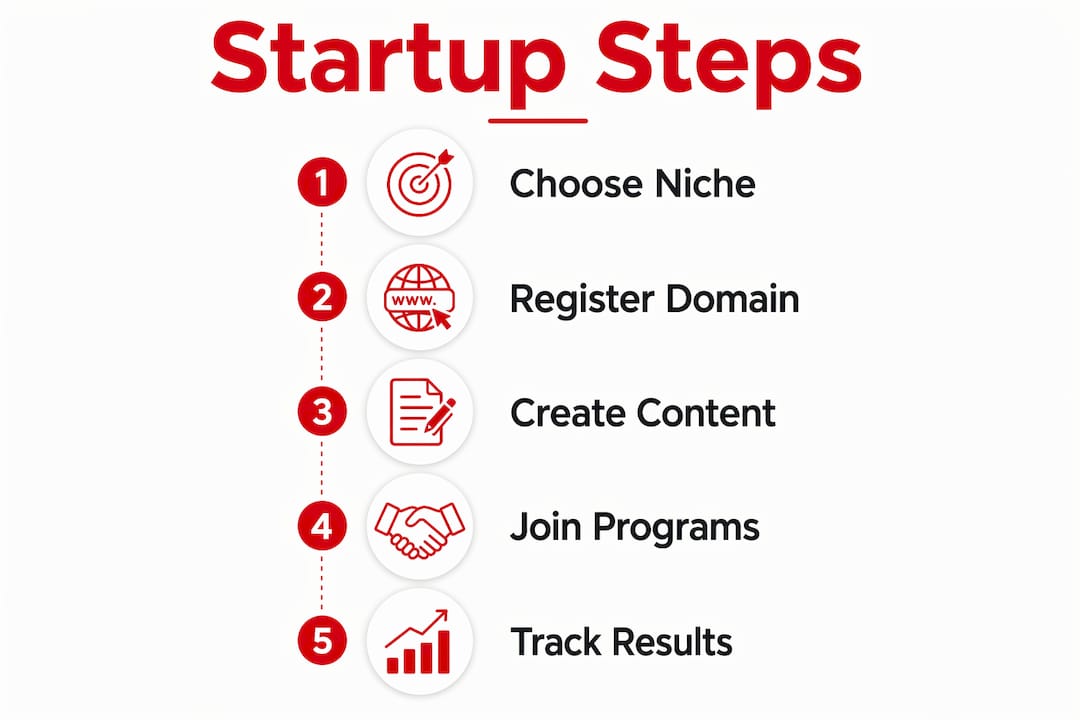
Niche selection is the single most important early decision. A narrow, focused niche lets you speak directly to a specific audience, which builds trust faster than a broad approach. Think "home espresso machines for beginners" rather than "coffee." The more specific your focus, the more your audience feels understood.
Here is what you need to launch:
- Domain name and hosting: Platforms like Bluehost or SiteGround run $5–$15 per month. Your domain typically costs $10–$15 per year.
- Content management system: WordPress powers the majority of affiliate sites and is free to install.
- Keyword research tool: Tools like Ahrefs or Ubersuggest help you find topics your audience is already searching for.
- Email marketing platform: ConvertKit or Mailchimp lets you build a list you own, independent of any social platform.
- Affiliate program access: Amazon Associates, ShareASale, and CJ Affiliate are common starting points for beginners.
You can review startup costs and tools in more detail to plan your budget before committing.
Pro Tip: Register your domain before you pick your niche name. Spend 30 minutes checking whether your preferred domain is available, because a mismatched domain name creates a credibility gap from day one.
What strategies actually build affiliate income?
The most effective affiliate entrepreneurs act as trusted guides, not salespeople. Successful affiliates bridge customer needs and product solutions through tutorials, honest comparisons, and detailed reviews. Generic banner ads and thin product pages no longer convert. Audiences in 2026 expect content that solves a real problem before they click a link.
Here is a proven content strategy framework for affiliate entrepreneurs:
- Write tutorials that demonstrate the product in use. A 2,000-word tutorial showing exactly how to set up a tool outperforms a 300-word "best of" list every time. Readers who finish a tutorial are already sold on the concept.
- Publish honest comparison posts. "Product A vs. Product B" articles rank well in search and attract buyers who are already close to a decision. Include real drawbacks, not just positives.
- Choose products with strong reputations. Promoting products with poor reviews erodes audience trust fast. Once your audience stops trusting your recommendations, recovery is difficult.
- Target a narrow niche for higher conversions. Narrow niche targeting produces deeper audience engagement and higher conversion rates than broad-topic approaches. A focused audience buys more because they feel the content was made specifically for them.
- Explore high-ticket and recurring commission programs. A single sale of a $500 software product at 30% commission earns you $150. A recurring commission on a $99-per-month subscription compounds over time. Both outperform dozens of $5 commissions from low-ticket items.
FTC compliance is non-negotiable. Affiliate disclosures must appear prominently near your links, not buried in a footer. Clear disclosure builds trust rather than undermining it. Readers respect honesty, and the FTC requires it.
Pro Tip: Add your affiliate disclosure at the top of every post, not just the bottom. Readers who see it upfront are more likely to trust your recommendations, not less.
What are the biggest pitfalls in affiliate entrepreneurship?
Most affiliate entrepreneurs fail not from lack of effort but from avoidable structural mistakes. Knowing these pitfalls before you start puts you ahead of the majority of beginners.
- Promoting low-quality products for higher commissions. A 50% commission on a product with a 2-star rating will cost you your audience. No commission rate is worth destroying credibility.
- Building entirely on social media platforms. Relying solely on social media exposes you to platform policy changes, algorithm shifts, and account bans. A self-hosted website is the only long-term asset you fully control.
- Ignoring cookie duration when selecting programs. Two programs with identical commission rates can produce very different earnings. The one with a 60-day cookie will outperform the one with a 24-hour cookie for any product with a longer buying cycle.
- Spreading across too many niches too early. Beginners often promote 15 different product categories at once. This dilutes authority and confuses the audience. Pick one niche, dominate it, then expand.
- Expecting fast results. Affiliate income builds slowly. Most successful affiliates report their first meaningful paycheck arriving 6–9 months after launch. Quitting at month three is the most common and most preventable mistake.
- Skipping program vetting. Joining reputable programs protects both your earnings and your reputation. Some programs have inconsistent tracking, delayed payments, or terms that allow them to reduce commissions without notice.
The affiliate marketing basics around product selection and trust-building deserve more attention than most beginner guides give them. Getting these fundamentals right from the start saves months of wasted effort.
Key takeaways
Affiliate entrepreneurship succeeds when you combine a focused niche, owned platform, quality content, and programs with strong cookie durations and reputable commission structures.
| Point | Details |
|---|---|
| Performance-based model | You earn commissions only when referred customers complete a target action like a purchase or signup. |
| Cookie duration matters | Choose programs with 30-day or longer cookies to maximize earnings from the same traffic volume. |
| Low cost, long timeline | Startup costs run $5–$20 per month, but sustainable income typically takes 6–12 months to build. |
| Own your platform | A self-hosted website gives you full control and access to higher-paying affiliate programs. |
| Trust drives conversions | Honest reviews, tutorials, and FTC-compliant disclosures build the audience loyalty that generates consistent income. |
Why affiliate entrepreneurship rewards the patient builder
I have watched hundreds of people approach affiliate entrepreneurship the same wrong way. They pick a broad niche, sign up for a dozen programs, publish five posts, and then wonder why they have made $11 in three months. The model is not broken. The approach is.
What actually works is boring to describe but powerful in practice: pick one specific audience, learn what they genuinely need, and create content that answers those needs better than anything else available. That is the whole strategy. The commissions follow the trust, and the trust follows the content quality.
The shift I have seen in 2026 is that authentic content that educates rather than hard-sells is now the dominant force in affiliate income. Audiences have developed strong instincts for promotional content dressed up as advice. They leave immediately. The affiliates winning right now are the ones who would write the same content even without the commission link, because the content itself is that good.
Sustainability is real in this model, but it requires patience that most people underestimate. The affiliates I respect most treat their site like a media company. They publish consistently, they track what converts, and they reinvest earnings into better tools and content. Scaling comes naturally after that foundation is solid.
My honest advice: start with one niche, one platform, and one affiliate program. Master that before adding complexity. The online business success principles that apply to every other model apply here too. Consistency and focus beat volume and speed every time.
— Mike
Ready to launch your affiliate business in 6 days?
Understanding the affiliate business model is step one. Executing it with a proven system is what separates people who earn from people who plan to earn.
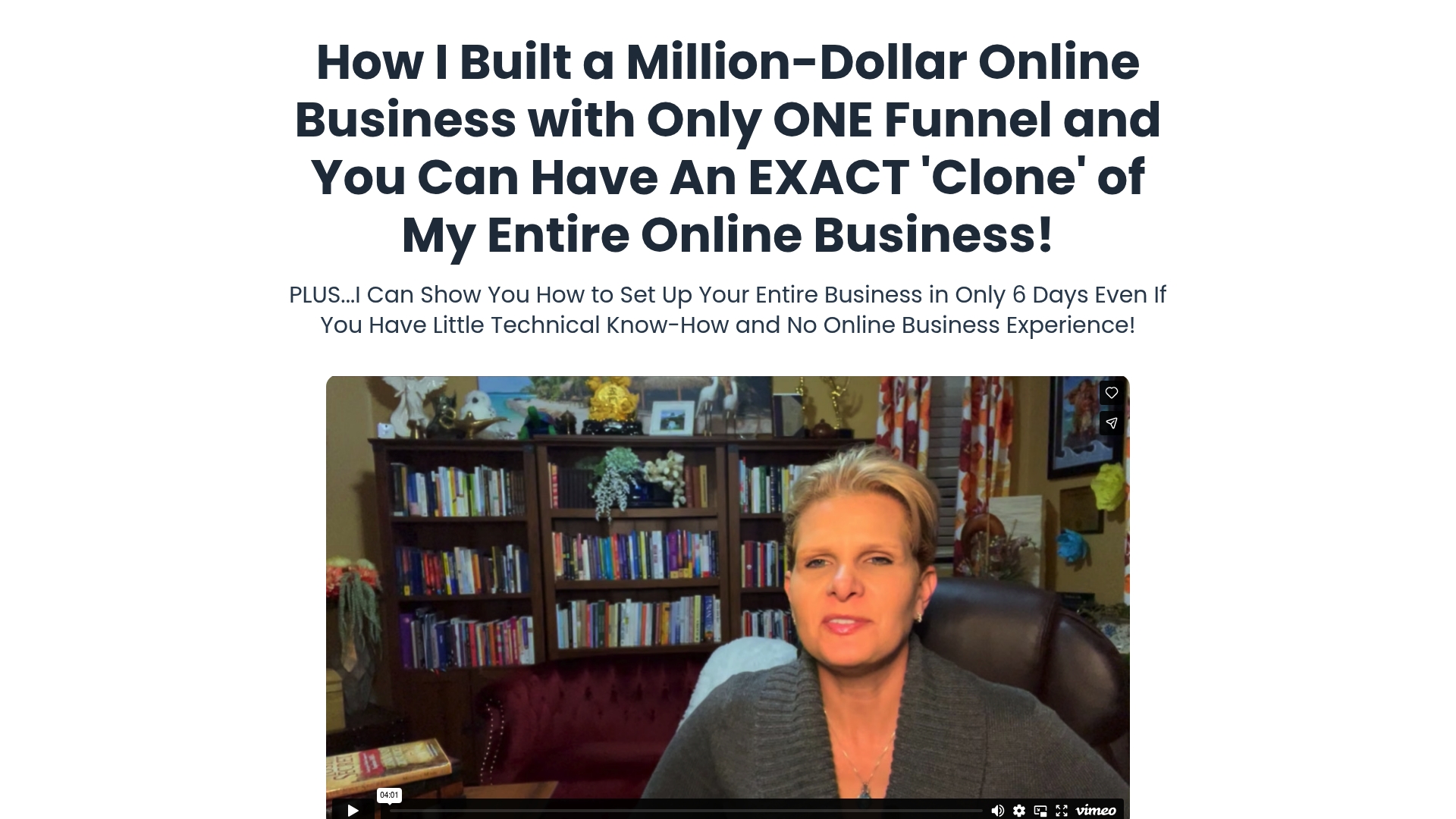
Moneyfunnel's 6-Day Money Funnel Mentorship is built specifically for people at the starting line. The program walks you through niche selection, content setup, and affiliate program strategy in a structured six-day format. You get group mentorship, step-by-step guidance, and a framework tested at scale. Moneyfunnel does not guarantee earnings and does not sell a business opportunity. It provides the education and strategic structure that most beginners spend months trying to piece together on their own. If you are serious about starting, this is the fastest way to build the right foundation.
FAQ
What is the difference between affiliate marketing and affiliate entrepreneurship?
Affiliate marketing refers to the tactic of promoting products through tracking links. Affiliate entrepreneurship is the broader business mindset of building a sustainable, scalable income source using affiliate marketing as the core revenue model.
How much money do you need to start affiliate entrepreneurship?
Startup costs typically run $5–$20 per month for hosting and a domain name. Content creation tools and keyword research platforms add optional costs, but the barrier to entry is lower than almost any other online business model.
How long does it take to earn income from affiliate entrepreneurship?
Most affiliate entrepreneurs see meaningful income after 6–12 months of consistent content creation. Early months focus on building traffic and audience trust, which are the foundations that convert into commissions later.
Do you need a website to start affiliate entrepreneurship?
A self-hosted website is the most stable long-term asset for affiliate entrepreneurs. Social media alone exposes you to platform risk. Owning your platform also unlocks access to higher-paying affiliate programs that require an established web presence.
Is FTC disclosure required for affiliate links?
FTC regulations require clear, prominent disclosure of affiliate relationships before consumers click affiliate links. Disclosures must appear near the links themselves, not hidden in footers or buried at the bottom of a page.