
Most people exploring examples of online businesses quickly run into the same wall: there are hundreds of options, and almost every source makes every model sound equally achievable. The truth is that different business types require different skills, capital, timelines, and risk tolerance. Choosing the right model means evaluating market demand, startup cost, scalability, and how well it fits your specific situation. This article cuts through the noise by breaking down the most proven types of online businesses with real examples, real numbers, and honest trade-offs.
Table of Contents
- Key takeaways
- 1. Ecommerce and dropshipping examples
- 2. Freelancing and remote service examples
- 3. Content creation and monetized publishing examples
- 4. Affiliate marketing and digital product examples
- 5. Agency, consulting, and SaaS examples
- 6. Comparing online business models side by side
- My honest take on picking the right online business
- Ready to move from research to results?
- FAQ
Key takeaways
| Point | Details |
|---|---|
| Model fit beats speed | Aligning your business model to your skills and resources matters more than rushing to launch. |
| Service models pay fastest | Freelancing and agency models generate income faster than content or product-based businesses. |
| Content businesses take time | Blogs, YouTube channels, and newsletters typically need 12 to 24 months before they become profitable. |
| Digital products scale efficiently | Products like ebooks and templates can earn $500 to $3,000 monthly with minimal ongoing effort. |
| Know your tax obligations early | Self-employed individuals owe self-employment tax of 15.3% and must plan for quarterly payments from day one. |
1. Ecommerce and dropshipping examples
Ecommerce is one of the most recognized types of online businesses, and for good reason. You sell physical or digital products through an online store, either by holding inventory or by using dropshipping, where a supplier ships directly to your customer and you never touch the product.
Dropshipping is especially popular with beginners because startup costs are low. A Shopify store starts at $29 per month, plus roughly $10 to $30 per year for a domain. The real costs come later.
Here is what makes or breaks ecommerce businesses in practice:
- Supplier reliability. Dropshipping stores live and die on their supply chain. One bad supplier causes refund spirals.
- Paid advertising. Most stores need Facebook or Google ads to drive traffic, which adds hundreds to your monthly budget fast.
- Product differentiation. Selling the same generic items everyone else sells rarely works. Niche products win.
- Platform fees and app costs. Transaction fees and third-party apps can push your monthly spend well beyond the base subscription.
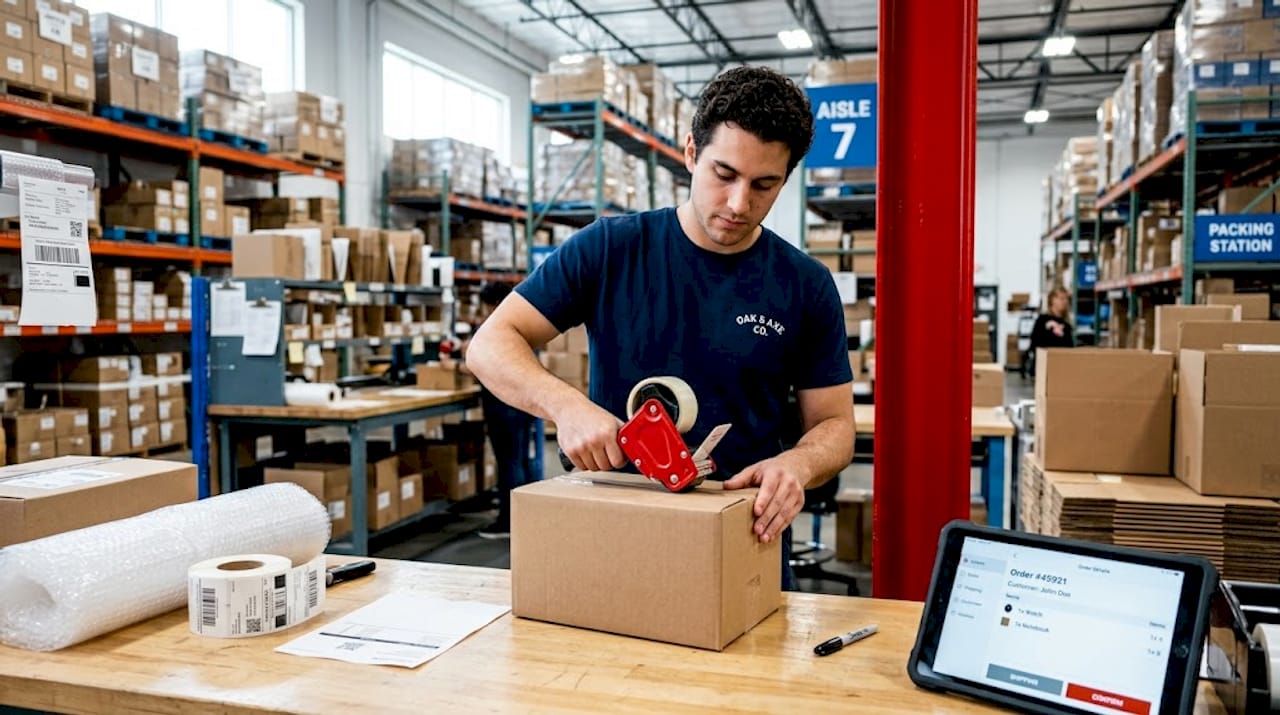
Solsticor.com is a real-world example worth studying. This dropshipping store reported $4,300 per month in revenue and $43,127 in net profit across 10 months, with 64,813 products and active ad campaigns. That is not overnight success. It reflects consistent product testing and marketing investment.
Print-on-demand is a popular variation. You design custom products like T-shirts or mugs, and a fulfillment company prints and ships them when someone orders. No inventory. Low risk. Lower margins.
Pro Tip: Budget at least $300 to $500 per month for marketing and apps when planning an ecommerce business. The $29 platform fee is just the starting point, not the total cost of running a real store.
2. Freelancing and remote service examples
Freelancing is the fastest path to your first dollar online. You sell a skill directly to a client, get paid, and repeat. There is no product to build, no audience to grow, and no waiting 12 months to see results.
GoDaddy's 2026 research confirms that the lowest-barrier online businesses leverage personal skills rather than inventory. Popular service niches include:
- Virtual assistance. Scheduling, email management, and administrative tasks for busy entrepreneurs.
- Copywriting. Writing website copy, email sequences, and sales pages for businesses.
- Social media management. Creating and scheduling content for brands that lack in-house capacity.
- Graphic design. Logos, marketing materials, and brand assets.
- Bookkeeping. Remote accounting and financial record keeping for small businesses.
Platforms like Upwork and Fiverr give you immediate access to buyers. You can land your first client within days of setting up a profile. Startup costs? Essentially zero.
The trade-off is scalability. You can only work so many hours. Most successful freelancers eventually raise their rates, specialize in a lucrative niche, or transition to an agency model.
Taxes are the part most new freelancers get blindsided by. Freelancers must report income and pay taxes even without receiving a 1099 form. If your yearly tax due exceeds $1,000, the IRS expects quarterly estimated payments.
Pro Tip: Set aside 25 to 30 percent of every payment you receive for taxes. Open a separate savings account labeled "Tax Fund" on day one. Missing a quarterly payment triggers penalties that sting more than the amount itself.
3. Content creation and monetized publishing examples
Content businesses are some of the most exciting examples of digital businesses, and also the most misunderstood. YouTubers, bloggers, podcasters, and newsletter writers all build audiences first, then monetize in multiple ways.
Revenue typically comes from:
- Display advertising. Ad networks like Google AdSense pay based on page views or watch time.
- Sponsorships. Brands pay to be featured in your content once you have a meaningful audience.
- Affiliate marketing. You recommend products and earn a commission when readers buy.
- Product sales. Selling your own courses, ebooks, or merchandise directly to your audience.
The Obsessian.com case is a strong example of a hybrid model. This content-commerce business generated $27,750 in real sales with a catalog spanning hundreds of ebooks and toolkits. It blended content publishing with digital product sales, which is exactly the kind of model that holds up long term.
Realistic timelines matter here. Most content creators need 12 to 24 months before they see meaningful income. The ones who make it are consistent, specific in their niche, and patient. The ones who quit usually do so around month four, right before the compound growth begins.
Newsletter businesses are a rising exception. A paid newsletter on platforms like Substack can generate subscription revenue relatively early, especially if you come in with an existing professional reputation or social following.
4. Affiliate marketing and digital product examples
Affiliate marketing is one of the most beginner-friendly profitable online business examples because you do not create anything. You promote someone else's product, and when a visitor buys through your unique link, you earn a commission.
Here is how the typical affiliate path works:
- Choose a niche with commercial intent (personal finance, fitness, software tools).
- Build a platform: a blog, YouTube channel, or email list.
- Join affiliate programs like Amazon Associates, ShareASale, or individual SaaS company programs.
- Create content that naturally leads readers toward the products you recommend.
- Optimize top-performing pages or videos to increase traffic and conversion rates.
Digital products take this further. Instead of promoting someone else's product, you create your own and keep the full margin. Budget spreadsheets and Canva template packs sold on Gumroad or Etsy Digital can generate $500 to $3,000 per month passively, with little ongoing technical work required.
Online courses and coaching are the high-ticket version. Platforms like Teachable and Kajabi let you host a course, collect payments, and manage students without writing a line of code. A well-positioned course on a specific skill can sell for $200 to $2,000 and require no ongoing fulfillment after you build it. The upfront work is heavy. The recurring payoff is real.
The skill you actually need here is marketing. Creating the product is the easy part. Getting qualified traffic to your offer is where most people struggle and where learning about online business models pays off.
5. Agency, consulting, and SaaS examples
These are the scalable versions of the service and content models. They represent the next stage most online entrepreneurs reach after proving a skill or concept works.
Digital marketing and SEO agencies start with one person selling a service, then hire contractors to handle delivery while the owner focuses on sales. A digital marketing agency can charge clients $1,500 to $10,000 per month for retained services. With five clients, you have a six-figure business.
Consulting is the knowledge-first version. You are not doing the work. You are advising organizations on how to do it better. This model requires a trackable record of results and a specific area of expertise.
Micro-SaaS is the most scalable model in this category. These are small, focused software tools that solve one specific problem and charge a monthly subscription. Examples include tools for invoice tracking, social media scheduling, and niche-specific analytics dashboards. You do not need to build the next Salesforce. A tool charging $29 per month with 500 users generates $14,500 per month in recurring revenue.
Here is how these three scale differently:
| Model | Revenue type | Key scaling lever | Risk level |
|---|---|---|---|
| Agency | Project/retainer | Hiring and systematizing | Medium |
| Consulting | Hourly/project | Premium positioning and referrals | Low to medium |
| Micro-SaaS | Monthly recurring | Product and customer acquisition | High upfront |
Pro Tip: If you want fast cash flow with low risk, start with consulting or freelancing. If you want recurring revenue and do not mind a longer build phase, micro-SaaS is worth the investment. Trying to do both simultaneously rarely works.
6. Comparing online business models side by side
Choosing between models gets much easier when you look at the core variables together. Here is a direct comparison of the main examples of online businesses covered in this article:
| Business type | Startup cost | Skills needed | Time to first dollar | Scaling potential |
|---|---|---|---|---|
| Dropshipping/ecommerce | $100 to $500+ | Marketing, product research | 1 to 3 months | High |
| Freelancing | Near zero | Marketable skill | Days to weeks | Medium |
| Content creation | $50 to $200 | Writing, video, or audio | 12 to 24 months | High |
| Affiliate marketing | $50 to $300 | Content and SEO | 3 to 12 months | High |
| Digital products | $0 to $200 | Creation and marketing | 1 to 6 months | Very high |
| Agency/consulting | $0 to $500 | Domain expertise, sales | 2 to 8 weeks | Medium to high |
| Micro-SaaS | $500 to $5,000+ | Technical or no-code tools | 6 to 18 months | Very high |
The models that generate income faster by selling skills directly are freelancing and consulting. The models with the highest long-term upside are SaaS and digital products. The models that combine both are hybrid content businesses and agencies with productized offerings.
No model is universally best. The right one is the one that matches what you have available right now: time, money, skills, and risk appetite.
My honest take on picking the right online business
I have spent years watching people pick online business models the wrong way. They pick what sounds exciting at a conference, what a YouTube ad pushed at them, or what their cousin claims made them rich. Almost none of that leads anywhere good.
In my experience, the most successful online entrepreneurs I have seen start by being brutally honest about their constraints. If you need cash within 60 days, content creation is not your answer right now. Freelancing is. If you have six months of savings and a genuine passion for a niche, building a content and affiliate site makes sense. If you have technical skills, micro-SaaS is worth serious consideration.
What I have also noticed is that people dramatically underestimate costs in ecommerce and dramatically overestimate how fast content builds. Both are worth pursuing. Both require a longer runway than most people plan for.
The overlooked opportunity I keep seeing in 2026 is consulting combined with a digital product. You charge for your expertise directly while building a course or toolkit on the side that eventually replaces the hourly work. It is not glamorous. It is not fast. But it is one of the most sustainable paths to real, lasting income online.
Stop optimizing for what looks impressive. Optimize for what fits your life right now.
— Mike
Ready to move from research to results?
If you have spent time studying these examples of online businesses and feel ready to commit to a real path forward, Moneyfunnel was built for exactly this moment. The 6-Day Money Funnel Mentorship walks you through building an online business with a proven sales funnel system, step by step, with direct mentorship from someone who has generated $10 million with a single funnel.
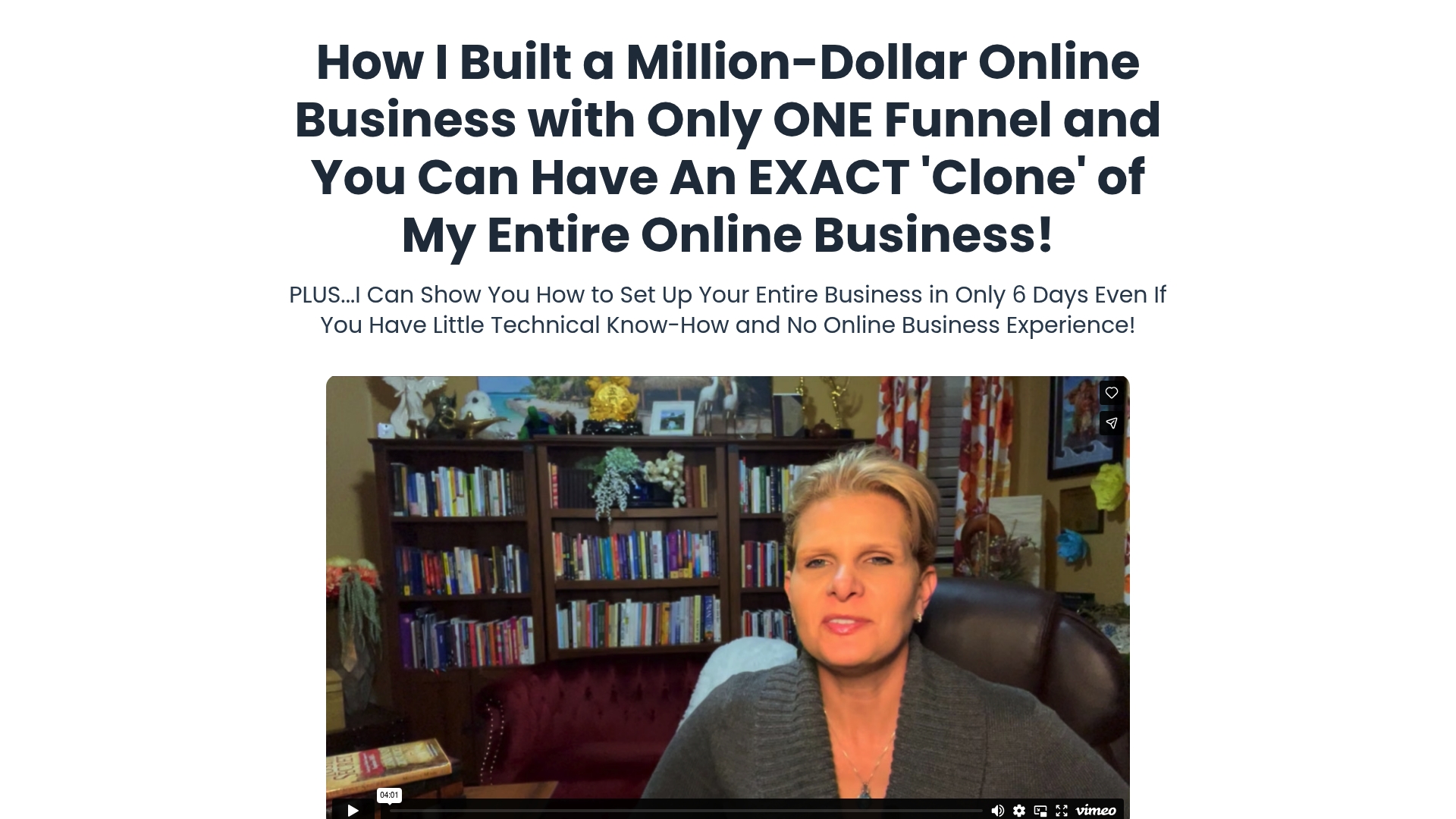
This is not a course you watch and forget. It is a structured, six-day program with group mentorship, focused on actual implementation. Moneyfunnel emphasizes quick setup and minimal technical skills, so you do not need a tech background to start. If you want to go deeper on how to launch your business before committing, that resource is a strong next step. Spots in the mentorship program are limited by design.
FAQ
What are the most profitable examples of online businesses?
Digital products, micro-SaaS, and agency models tend to generate the highest margins because they have low delivery costs and strong recurring revenue potential. Dropshipping and affiliate marketing are also profitable but require consistent marketing investment.
Which online business makes money the fastest?
Freelancing and consulting generate income the fastest because you sell an existing skill directly to a client with no product build time. Many freelancers land their first paying client within one to two weeks of setting up a profile.
How much does it cost to start an ecommerce business?
A basic Shopify store starts at $29 per month plus $10 to $30 per year for a domain, but realistic monthly costs including apps and advertising typically run $300 to $800 or more for a functioning store with traffic.
Do I need technical skills to start an online business?
Most online business models today require minimal technical knowledge. Platforms like Shopify, Gumroad, Teachable, and Kajabi handle the backend so you can focus on selling and creating content.
What taxes do online business owners need to plan for?
Self-employed online business owners pay a self-employment tax of 15.3% on net earnings and must make quarterly estimated tax payments if their annual tax liability exceeds $1,000. Planning for this from your first payment avoids costly penalties.