
Webinars are defined as live or recorded online presentations that combine education, demonstration, and real-time interaction to move prospects toward a purchase. The role of webinars in selling has grown from a simple content format into a full sales channel. Approximately 83% of webinar attendees take direct action after a session, including purchases, demo registrations, and newsletter sign-ups. That single number explains why online entrepreneurs and marketers are building entire revenue systems around webinars rather than treating them as a one-off tactic.
How does the role of webinars in selling compare to other channels?
Webinars outperform most digital marketing channels on conversion rate. Webinars typically convert at 5–15%, while email campaigns average 1–3% and landing pages average 2–5%. Top-performing webinars reach 15–25% conversion on low-ticket offers. That gap is not a small edge. It is the difference between a channel that pays for itself and one that drains your budget.
Cost efficiency is the second major advantage. Webinar leads cost 30–50% less than leads from trade shows or paid advertising, with ROI reaching up to 1,200%. The average cost per lead runs between $45 and $98. Compare that to a trade show booth, travel costs, and printed materials, and the math strongly favors webinars.
Webinars also generate higher-quality leads. A prospect who sits through a 45-minute presentation already understands your offer, trusts your expertise, and has self-selected as genuinely interested. That shortens the sales cycle considerably. You are not nurturing a cold contact. You are closing a warm one.
| Channel | Typical conversion rate | Relative lead cost |
|---|---|---|
| Webinars | 5–15% | Low |
| Email campaigns | 1–3% | Very low |
| Landing pages | 2–5% | Low to medium |
| Trade shows | Varies | High |
| Paid advertising | 1–5% | Medium to high |
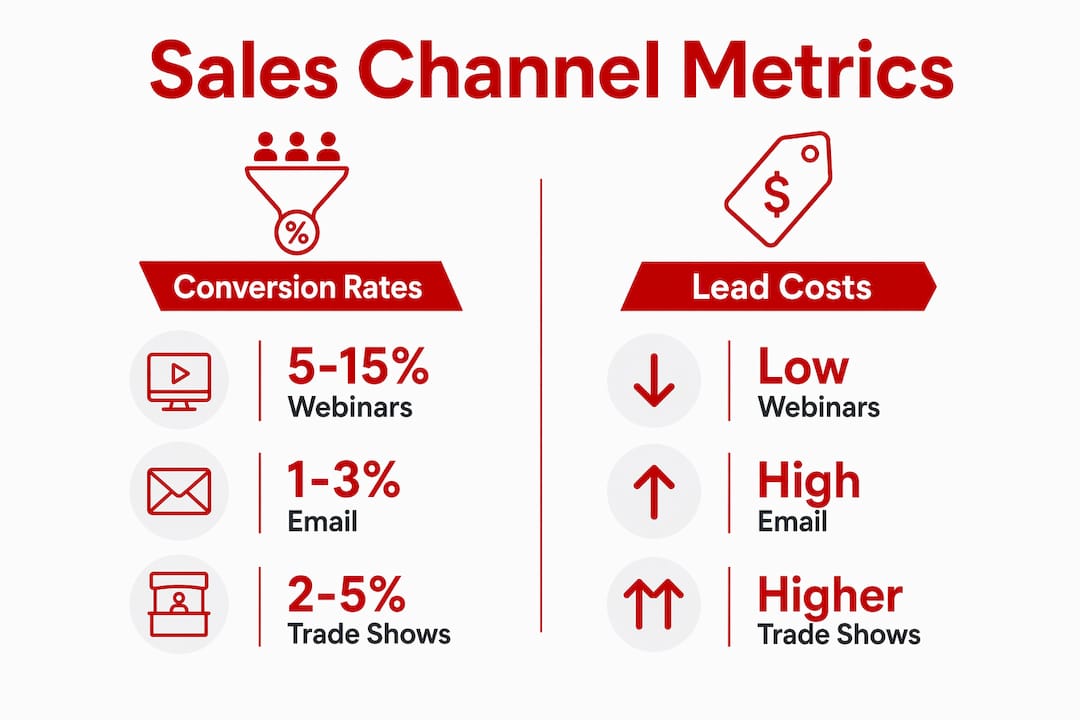
The table above shows why webinars sit at the top of the conversion stack. No other single channel combines education, live interaction, and a direct purchase path in one session.
What makes webinars effective as a sales tool?
The shift away from sales-heavy pitches toward educational, value-based content is the defining trend in webinar effectiveness in marketing right now. Audiences reject presentations that feel like infomercials. They stay for content that solves a real problem. When you teach first and sell second, attendees feel grateful rather than pressured.

Educational webinars build trust by replacing cold sales pitches with genuine conversations. That trust directly influences purchasing decisions. A live Q&A segment, for example, lets prospects voice objections in real time. When you answer those objections publicly, every attendee watching benefits. That transparency does more for conversion than any sales script.
Three elements consistently drive webinar sales performance:
- Live Q&A sessions. Real-time answers remove doubt and build credibility faster than any FAQ page.
- Product demonstrations. Showing your product in action reduces perceived risk. Prospects can see exactly what they are buying.
- Social proof moments. Sharing a brief case study or attendee result mid-session reinforces that your offer works before you make the ask.
Pro Tip: Structure your webinar as 70% education and 30% offer. Attendees who feel they received genuine value before the pitch convert at significantly higher rates than those who sense a sales presentation from the first slide.
The human-to-human connection matters more now, not less, as AI-generated content floods every channel. A webinar where you speak directly to your audience, answer their questions, and share real experience creates a bond that automated content cannot replicate. That bond is what makes the offer feel like a natural next step rather than an interruption.
What webinar formats work best for sales in 2026?
Three formats dominate webinar selling in 2026, and each serves a different part of your sales system.
-
Live webinars. Best for launches, high-ticket offers, and audiences that need direct interaction. The energy of a live event creates urgency. Attendees know the session will not repeat, which increases focus and action rates.
-
On-demand webinars. Pre-recorded sessions that prospects watch on their own schedule. On-demand viewing can generate twice the unique viewers of a live session. That reach multiplier makes on-demand essential for any marketer who wants to generate leads around the clock.
-
Simulated-live webinars. Pre-recorded presentations that run on a fixed schedule with real-time engagement features like live chat, countdown timers, and automated CTAs. Simulated-live webinars often outperform fully live ones because the presentation quality is polished while the urgency of a scheduled event remains intact.
The hybrid model combining live and on-demand delivery maximizes both reach and conversion. Run the live event for your most engaged segment, then release the recording as an on-demand asset that feeds your funnel for weeks or months afterward. This approach turns a single production effort into a long-term lead generation asset.
AI tools are reshaping what is possible inside a webinar session. AI sales agents during webinars increase engagement rates by 40–60% through live chat responses and personalized CTAs. Automation enables selling 24/7 without a presenter on screen. For online entrepreneurs who want to automate their business without sacrificing the personal feel of a live event, AI-powered webinar tools are the most practical path forward.
Pro Tip: Record your best-performing live webinar and convert it into a simulated-live asset. Schedule it to run every few days with a live chat bot handling Q&A. You get the conversion power of a live event without repeating the presentation.
How do you use webinars for lead generation and conversion?
Webinars work best when they sit inside a structured webinar funnel rather than operating as standalone events. A funnel treats the webinar as one stage in a sequence: attract, register, attend, follow up, and close. Each stage needs its own content and call to action.
Personalization is the highest-leverage variable in that sequence. Personalization across the entire webinar experience improves engagement and conversion by up to 400%. That includes the registration page, the email reminders, the content itself, and the follow-up sequence. A generic "thanks for attending" email converts far worse than a message that references the specific topic the attendee registered for.
Practical strategies that consistently improve webinar conversion:
- Segment your CRM before the event. Tag registrants by interest, source, or buyer stage. Send different pre-webinar emails to cold leads versus warm prospects.
- Use timed offers. Present your offer with a deadline that expires 24–48 hours after the session. Urgency without pressure converts better than an open-ended pitch.
- Send a replay with a shorter deadline. Not everyone watches live. A replay email sent within 24 hours, with a tighter offer window, captures attendees who missed the live session.
- Follow up with non-buyers specifically. Segment attendees who watched but did not purchase. Send a targeted email addressing the most common objection from the Q&A.
- Track drop-off points. Most webinar platforms show where attendees leave. If 40% drop off before your offer, the content before that point needs work.
Understanding the full marketing funnel that surrounds your webinar matters as much as the webinar itself. The session is the conversion event. The funnel is what fills the room and closes the sale after the session ends.
Key Takeaways
Webinars convert at 5–15%, cost less per lead than paid ads or trade shows, and turn a single live event into a 24/7 sales asset when combined with on-demand delivery and personalized follow-up.
| Point | Details |
|---|---|
| Conversion rate advantage | Webinars convert at 5–15%, far above email (1–3%) and landing pages (2–5%). |
| Lower lead cost | Webinar leads cost 30–50% less than trade show or paid ad leads. |
| Education drives sales | A 70/30 education-to-pitch ratio builds trust and increases purchase rates. |
| Hybrid format maximizes reach | On-demand replay can double the unique viewers of a live session. |
| Personalization multiplies results | Full-funnel personalization improves conversion by up to 400%. |
Why most webinars fail before the offer even lands
After years of building and studying webinar funnels, the pattern I see most often is this: the presenter spends 80% of the session proving they are an expert and 20% making an offer the audience was never prepared to receive. The webinar feels like a lecture, not a conversation. The offer lands cold.
The webinars that consistently convert do the opposite. They make the audience feel understood within the first five minutes. They address a specific, painful problem. They build toward the offer as the logical solution, not a surprise at the end. By the time the presenter says "here is how you can work with me," the audience is already nodding.
The other mistake I see is treating the live event as the finish line. The live session is the start of the sales conversation, not the end of it. The follow-up sequence, the replay, the segmented emails to non-buyers, those are where a significant portion of revenue actually closes. Marketers who skip the follow-up leave real money on the table every single time.
The technology shift toward AI-powered engagement tools is real and worth paying attention to. But the fundamentals have not changed. People buy from people they trust. A webinar that teaches something genuinely useful, delivered by someone who clearly cares about the outcome, will outperform a polished automated presentation every time. Use the AI tools to scale. Use your authentic voice to sell.
— Mike
What Moneyfunnel teaches about building a webinar sales system
Building a webinar funnel from scratch takes more than picking a platform and scheduling a session. The structure, the offer, the follow-up sequence, and the automation all need to work together.
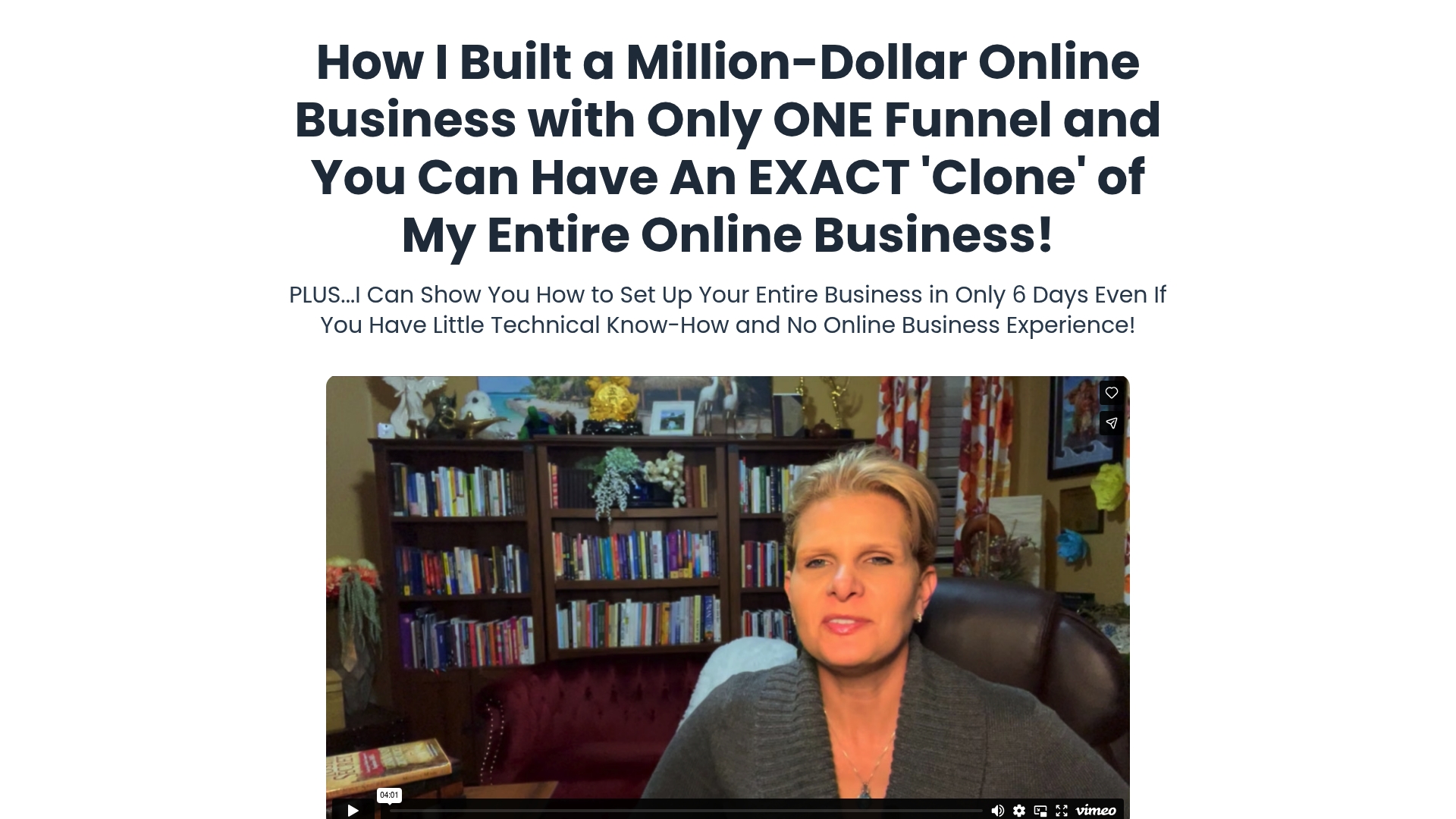
Moneyfunnel's six-day mentorship program walks online entrepreneurs through the exact steps to build a sales funnel that uses webinars as the core conversion event. The program covers funnel architecture, offer positioning, and the automation setup that keeps the system running after the live event ends. For marketers who want a proven framework rather than a trial-and-error approach, the Moneyfunnel program provides the structure and guidance to get there faster.
FAQ
What is the average conversion rate for a webinar?
Webinars typically convert at 5–15%, with top performers reaching 15–25% on low-ticket offers. That rate significantly outperforms email campaigns and landing pages.
How do webinars generate leads more cost-effectively than paid ads?
Webinar leads cost 30–50% less than leads from paid advertising or trade shows, with ROI reaching up to 1,200%. The self-selection process of registering for a webinar also produces higher-quality leads.
What is the best webinar format for selling?
The hybrid model combining a live session with an on-demand replay maximizes both reach and conversion. On-demand viewing can generate twice the unique viewers of the live event alone.
How does personalization affect webinar sales performance?
Personalizing the registration page, content, and follow-up sequence improves engagement and conversion by up to 400%. Generic follow-up emails consistently underperform segmented, targeted messages.
How soon should you follow up after a webinar?
Send the replay and your primary follow-up email within 24 hours of the live session. Include a timed offer that expires within 24–48 hours to capture attendees who need a deadline to act.