
Email list building is the practice of collecting permission-based subscriber contacts to create a direct, algorithm-free channel between you and your audience. Email marketing delivers $36–$42 for every $1 spent, making it the highest-ROI channel in digital marketing. Unlike a social media following, your email list is an asset you own outright. No platform can throttle your reach or delete your account and take your audience with it. The ways to build an email list covered here are proven, practical, and designed for entrepreneurs who want quality subscribers, not just raw numbers.
1. What are the top proven ways to build an email list?
Building an email list is an operating system, not a one-time campaign. The tactics below form the core of that system.
Create a high-value lead magnet
A lead magnet is a free resource you give in exchange for an email address. The best ones solve one specific problem for a clearly defined audience. A generic "free guide" rarely converts. A "7-day meal plan for busy parents eating under $75 a week" does. Specificity signals relevance, and relevance drives sign-ups.

Use on-site opt-in forms strategically
Effective list building requires high-visibility entry points like pop-ups, exit-intent overlays, sticky header bars, and embedded forms within blog posts. Each form placement serves a different visitor behavior. Exit-intent pop-ups catch readers who are about to leave. Sticky bars stay visible as visitors scroll. Embedded forms capture readers who are already engaged with your content.
Pro Tip: Test your opt-in form headline as aggressively as you test your ad copy. A single word change can double your conversion rate.
Build a dedicated landing page for email capture
A standalone landing page with no navigation links forces a single decision: subscribe or leave. This focused structure consistently outperforms embedded forms on busy pages. Use a clear headline, one or two bullet points explaining the benefit, and a single call-to-action button. Keep the page free of distractions.
Leverage social media as an organic funnel
Social platforms are traffic sources, not list-building destinations. The goal is to move followers from Instagram, TikTok, or LinkedIn into your email ecosystem. Post content that teases your lead magnet, add your landing page link to your bio, and use Stories or short-form video to drive clicks. LinkedIn newsletters also build a secondary list that you can convert to email subscribers over time.
Run a referral program
Referral programs turn your existing subscribers into recruiters. Offer a bonus resource, early access, or a discount to subscribers who refer a friend. This tactic compounds naturally because referred subscribers arrive pre-warmed by someone they trust. The conversion rate on referred leads is consistently higher than cold traffic.
Co-market with complementary brands
Partner with a brand that serves the same audience but sells a different product. A joint webinar, a co-authored guide, or a newsletter swap exposes each list to the other's audience. Both parties grow without paying for ads. Choose partners whose content quality matches yours, because your subscribers will judge you by the company you keep.
Use content upgrades inside blog posts
A content upgrade is a lead magnet specific to one blog post. If you write about email subject lines, offer a downloadable swipe file of 50 proven subject lines. Readers who reach the end of a post are already interested in the topic. A hyper-relevant upgrade converts far better than a generic sidebar opt-in.
Host a free webinar or live training
Webinars require an email address to register. That registration step builds your list while simultaneously delivering value. Live events also create urgency, which drives faster sign-ups than passive content. Record the session and gate the replay behind another opt-in to extend the list-building window beyond the live date.
Run a giveaway or challenge
A time-limited giveaway or a five-day email challenge generates rapid sign-up spikes. The prize or challenge topic must align tightly with your niche. A giveaway for a generic gift card attracts freebie seekers. A giveaway for your paid course attracts buyers. Challenges work especially well because daily emails build the habit of opening your messages from day one.
Optimize your email signature
Every email you send is a touchpoint. Add a one-line pitch and a link to your lead magnet in your email signature. This tactic requires zero ongoing effort after setup and consistently adds subscribers from your existing professional network.
Gate premium content on your website
Create a resource library, a template pack, or a video series that requires an email address to access. Gated content works best when the free version of your content is already strong enough to build trust. Readers who see the quality of your free posts will pay with their email address to access more.
How to select the best email list-building tactics for your business
Not every tactic fits every business. The right choice depends on your niche, your traffic sources, and how much time you can commit each week.
Experts recommend starting with three high-impact tactics and implementing them over 30 days before adding more. This constraint forces focus and gives you clean data on what actually works for your specific audience.
Follow this prioritization process:
- Audit your existing traffic. If you get most of your visitors from Google, content upgrades and embedded forms will outperform social-driven tactics. If your audience lives on Instagram, focus on bio links and Stories.
- Match the tactic to your resources. Webinars require preparation time. Giveaways require a prize budget. Lead magnets require writing or design. Pick tactics you can execute well, not just tactics that sound good.
- Track subscriber source from day one. Source tracking tells you which tactic delivers subscribers who actually open, click, and buy. A landing page that generates 50 subscribers who all convert is worth more than a giveaway that generates 500 who never open another email.
- Measure engagement, not just list size. Quality email lists with highly aligned subscribers reduce costs and improve engagement far more than large, disengaged lists. Open rate and click rate are your real growth metrics.
- Scale what works, cut what doesn't. After 30 days, double down on the one or two tactics producing the best engagement. Add a third tactic only after the first two are running consistently.
What technologies and tools support effective email list building?
An email service provider, or ESP, is the control center of your list-building system. ESPs offer automation, segmentation, and list hygiene features that are non-negotiable for serious list growth.
When evaluating an ESP, look for these core capabilities:
| Feature category | Why it matters |
|---|---|
| Built-in opt-in forms | Reduces reliance on third-party tools and keeps your setup simple |
| Automation workflows | Sends welcome sequences and follow-ups without manual effort |
| Segmentation tools | Lets you send the right message to the right subscriber group |
| Deliverability monitoring | Tracks bounce rates and spam complaints to protect sender reputation |
| Data portability | Lets you export your list and move platforms without losing subscribers |
Integration matters as much as features. Your ESP should connect cleanly with your website, your e-commerce platform, and your analytics tools. A disconnected stack creates data gaps that make it impossible to measure what is working.
Setting up list hygiene early means handling bounces, suppressing unsubscribes, and segmenting inactive subscribers from the start. Skipping this step damages your sender reputation over time, which means your emails land in spam folders instead of inboxes.
Pro Tip: Run a re-engagement campaign before you delete inactive subscribers. A simple "Are you still interested?" email with a clear yes/no option often recovers 10–20% of dormant contacts.
How to nurture and maintain your email list for long-term growth and ROI
Getting subscribers on your list is the beginning, not the finish line. Maintaining an email list requires ongoing stewardship to prevent unsubscribes and keep delivering relevant value.
The most effective nurturing practices are:
- Send a welcome sequence immediately. The first email a subscriber receives sets the tone for the entire relationship. Deliver your lead magnet, introduce yourself, and tell them exactly what to expect from future emails.
- Personalize with subscriber data. Using a subscriber's first name in the subject line or body copy increases open rates. Behavioral data, such as which lead magnet they downloaded, lets you send follow-ups that feel personally relevant.
- Segment before you broadcast. Sending the same email to your entire list is the fastest way to accumulate unsubscribes. Permission marketing and segmentation are the foundation of long-term subscriber trust and lifetime value.
- Deliver value on a consistent schedule. Subscribers who hear from you weekly develop a reading habit. Subscribers who hear from you randomly forget who you are.
- Run re-engagement campaigns quarterly. Identify subscribers who have not opened an email in 90 days and send a targeted sequence to win them back. Remove those who do not respond.
"View your list as a customer ledger of trust relationships. The goal is not to collect addresses. The goal is to earn long-term subscriber trust through consistent, relevant value delivery."
Early subscribers often convert better because they chose your brand based on its content and philosophy, not its follower count. That intent-driven relationship compounds over time when you nurture it properly.
Key Takeaways
The most effective email list-building system combines a specific lead magnet, high-visibility opt-in forms, and consistent subscriber nurturing to produce compounding ROI over time.
| Point | Details |
|---|---|
| Start with three tactics | Focus on three high-impact methods for 30 days before adding more to your stack. |
| Own your audience | An email list gives you direct access that no algorithm change can take away. |
| Track subscriber source | Know which tactic produces subscribers who open, click, and buy. |
| Prioritize list quality | A small, engaged list outperforms a large, disengaged one on every metric. |
| Nurture consistently | Welcome sequences, segmentation, and re-engagement campaigns sustain list health long-term. |
Why I stopped chasing list size and started building relationships
Most new entrepreneurs treat their email list like a scoreboard. They obsess over the subscriber count and celebrate every milestone. I did the same thing early on, and it cost me months of wasted effort.
The number that actually matters is how many subscribers open your emails and click your links. I have seen lists of 500 people generate more revenue than lists of 10,000 because the smaller list was built around a specific promise and nurtured with genuine care. The email list is your most defensible marketing asset precisely because it reflects real relationships, not vanity metrics.
My advice: pick one lead magnet, build one landing page, and write one welcome sequence before you do anything else. Get those three things working before you add a referral program or a webinar strategy. Complexity is the enemy of execution, especially when you are starting out.
The entrepreneurs I have watched build sustainable online businesses all treat their email list as an operating system, not a campaign. They add to it every week, clean it every quarter, and write to it like they are writing to a person they respect. That mindset is what separates a list that grows from a list that stagnates.
— Mike
How Moneyfunnel supports your email list growth
Building a list is one thing. Connecting it to a system that converts subscribers into revenue is another.
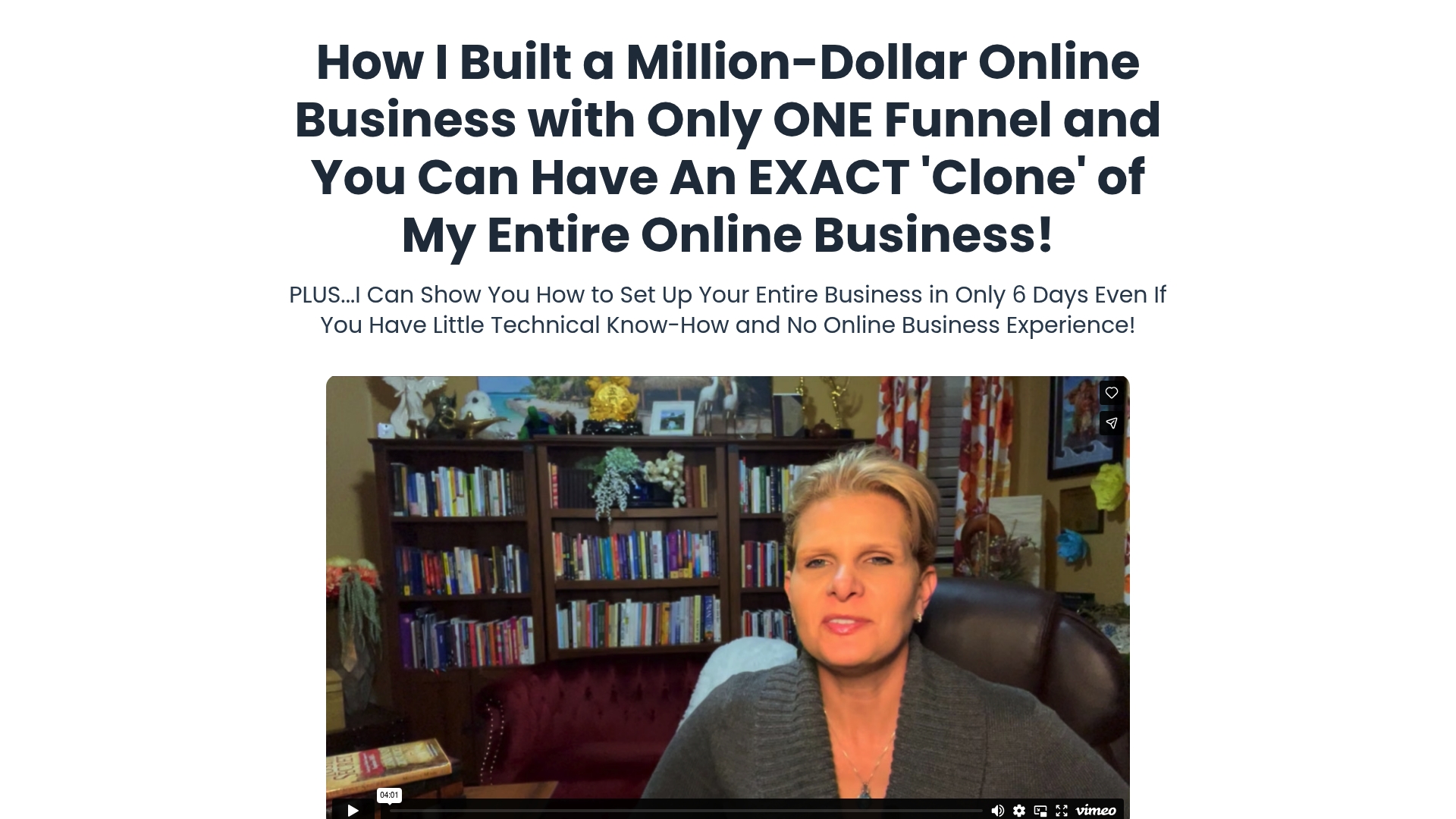
Moneyfunnel is built for entrepreneurs who want both. The platform guides you through lead capture and funnel setup with a step-by-step mentorship program designed to get your system running in six days. You get the frameworks, the funnel structure, and the strategic guidance to turn your email list into a consistent revenue channel. If you are ready to move from list-building tactics to a full sales funnel strategy that monetizes your subscribers, Moneyfunnel gives you the roadmap.
FAQ
What is the fastest way to grow an email list from zero?
Create a specific lead magnet that solves one clear problem, build a dedicated landing page, and drive traffic to it from your most active social channel. This combination produces the fastest early growth without requiring an existing audience.
Why build an email list instead of growing social media followers?
Email lists give you direct audience access that no algorithm change can remove. Social platforms can throttle your reach or suspend your account at any time, taking your audience with them.
How many subscribers do you need before email marketing pays off?
There is no minimum threshold. Early subscribers often convert at higher rates than later ones because they chose your brand based on genuine interest. A list of 200 engaged subscribers can generate real revenue.
How often should you email your list?
Consistency matters more than frequency. Weekly emails build a reading habit. The key is delivering value every time so subscribers look forward to your messages rather than ignoring them.
What is list hygiene and why does it matter?
List hygiene means removing bounced addresses, suppressing unsubscribes, and re-engaging or deleting inactive subscribers. Clean lists protect your sender reputation and keep your emails landing in inboxes instead of spam folders.